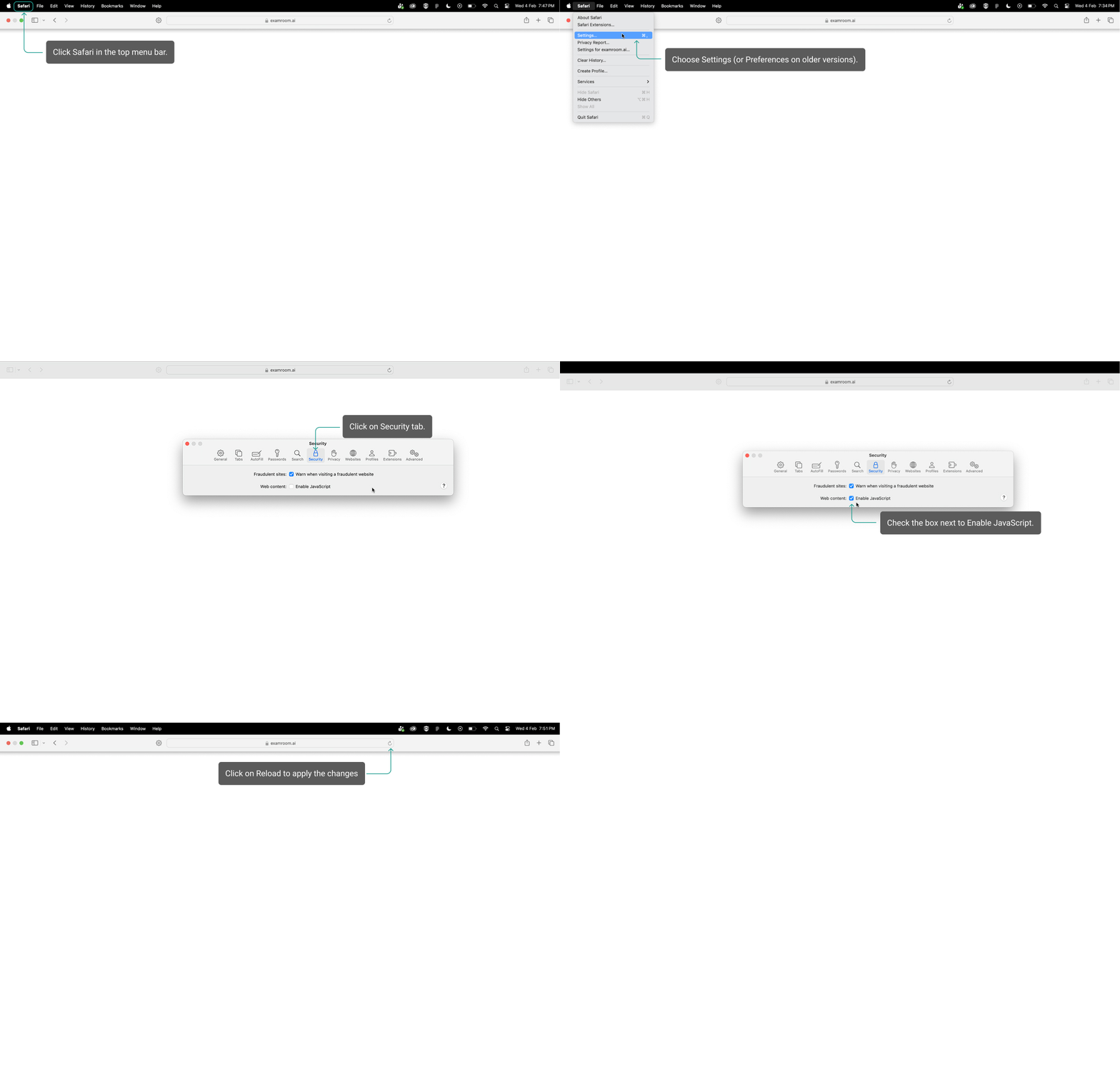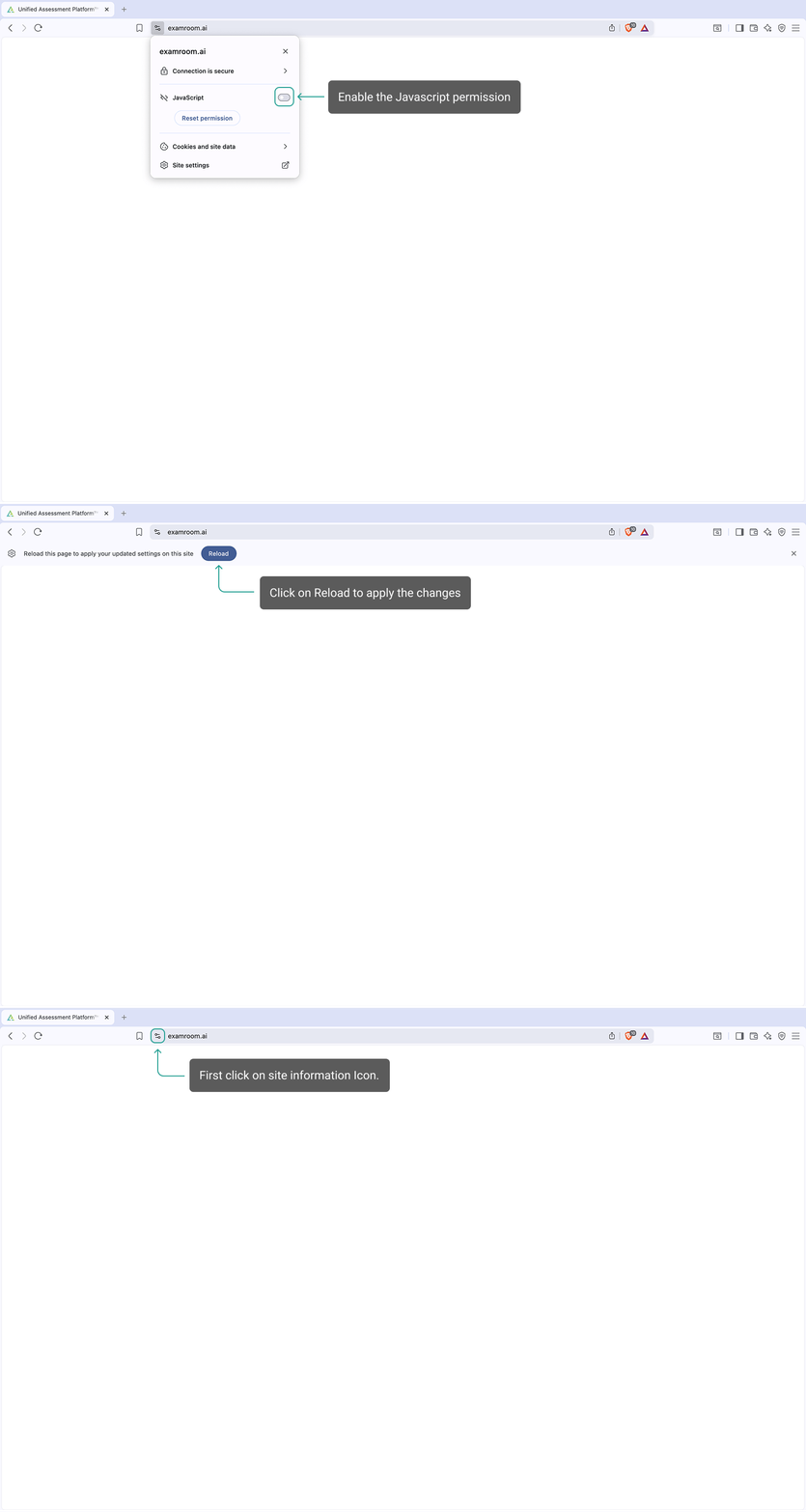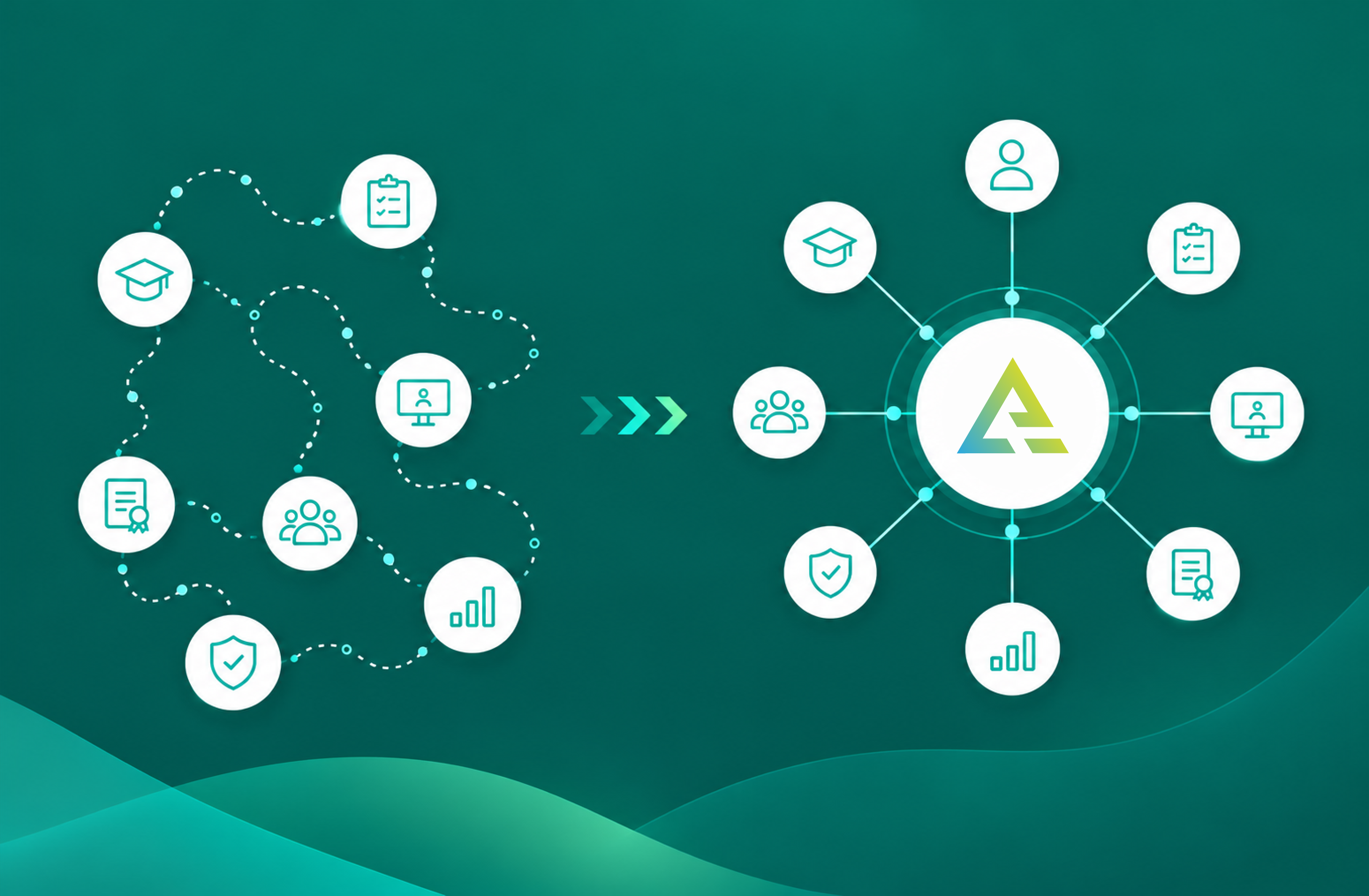
A unified assessment platform manages content, delivery, security, proctoring, analytics, and credentialing in one connected environment with a single audit trail. A multiple-vendor ecosystem connects separate tools from different providers through integrations.
ExamRoom.AI’s Unified Assessment Platform™ is built to give leaders connected evidence, layered security, and clear accountability without losing flexibility: adopt individual products or the full platform, and connect your existing systems through open APIs and LTI.
What happened at UNAM, and what should assessment leaders take from it?
Nearly 160,000 applicants took the entrance exam for the National Autonomous University of Mexico (UNAM), Mexico’s largest university. For the first time, the exam was administered entirely remotely using a lockdown browser and AI-powered webcam proctoring.
Following the exam, reported score patterns raised concerns. The percentage of candidates scoring 100 or higher out of 120 increased from an average of 3.5% during 2021–2025 to 16.3%. The percentage scoring 110 or higher rose from 0.9% to 5.5%.
In response, UNAM required approximately 58,000 applicants to retake the exam in person, with admissions decisions tied to the new results. The university’s rector apologized to honest candidates and said the retest was necessary to ensure fairness.
The case highlights an important challenge for assessment leaders: a lockdown browser and AI-powered proctoring are important security measures, but they cannot guarantee exam integrity on their own. Protecting high-stakes assessments requires a layered approach that combines preventive controls, suspicious-behavior detection, human review, statistical analysis of results, and a reliable audit trail.
This raises an important question for every organization responsible for high-stakes assessments:
If your exam results were challenged tomorrow, how quickly could you establish what happened, support your findings with evidence, and determine who is responsible for resolving the issue?
Your assessment architecture plays a critical role in answering that question.
What is a multiple-vendor assessment ecosystem?
A multiple-vendor assessment ecosystem uses different providers for different stages of the assessment lifecycle. One provider may handle test delivery, another may supply a secure browser or proctoring, while others manage item banking, reporting, or credentialing. These systems are connected through integrations to support the overall assessment process.
Strengths: Access to specialized solutions, flexibility in selecting providers, independent contract negotiations, and the ability to replace individual components as needs change.
Challenges: Integrations require ongoing development and maintenance, assessment data and security evidence may be distributed across multiple systems, and coordinating incident investigations or resolving technical issues can involve several vendors, taking up valuable time.
What is a Unified Assessment Platform?
A Unified Assessment Platform connects the assessment lifecycle, from content development and item banking to test delivery, exam security, proctoring, analytics, and credentialing. By bringing these capabilities together in an integrated environment, organizations can improve visibility across the assessment process, coordinate security measures, and maintain a more connected record of assessment activity.
Unified does not mean locked in. ExamRoom.AI’s Unified Assessment Platform™ is modular, allowing organizations to adopt individual products or expand to the full platform as their needs evolve. Open APIs and Learning Tools Interoperability (LTI) support integration with existing systems, including learning management systems (LMSs), helping organizations build on their current technology investments.
Unified Assessment Platform vs. multiple-vendor ecosystem: side-by-side comparison
Factor | Multiple-vendor ecosystem | ExamRoom.AI Unified Assessment Platform™ |
Accountability | Responsibilities may be divided among multiple providers and contracts. | A primary provider for the platform, with responsibilities defined by contract. |
Evidence and visibility | Evidence and reporting may be distributed across separate systems and formats. | Connected assessment workflows and a shared audit trail help consolidate visibility. |
Incident investigation | Investigations may require coordination between vendors and reconciliation of separate records. | Connected workflows can bring AI and live proctoring incidents together for review. |
Data consistency | Data consistency depends on integrations, synchronization, and data management across systems. | An integrated approach supports more consistent data across the assessment lifecycle. |
Security | Security controls may be distributed across providers, requiring coordination between systems. | Secure lockdown browsing system, AI and live proctoring, identity verification, and content protection can work together within the platform. |
Flexibility | Organizations can select and replace individual specialist providers. | Organizations can adopt individual products or the full platform and connect existing systems through APIs and LTI. |
Scalability | Each provider scales its own services; overall performance also depends on integration reliability. | Cloud-based architecture and configurable AI, live, or hybrid proctoring support different assessment requirements and volumes. |
Total cost of ownership | Costs may include multiple licenses, contracts, integrations, maintenance, and training. | A consolidated approach may reduce the complexity of managing multiple providers, depending on the products selected and contract terms. |
Is a Unified Assessment Platform more secure than multiple vendors?
A unified assessment platform can strengthen exam security by bringing security controls, proctoring, and assessment evidence together in a coordinated environment. While security ultimately depends on how the platform is implemented and managed, an integrated approach can help reduce gaps between systems and simplify incident investigation.
Three key advantages are worth considering:
Fewer handoffs. Connecting content, candidate data, and security workflows can reduce the number of integrations through which information must pass, simplifying data management and security oversight.
Coordinated security controls. ExamRoom.AI brings together ExamLock Lockdown secure browsing system, AI and live proctoring system, identity verification, and assessment analytics to support a layered approach to exam security. These capabilities are designed to address different risks throughout the testing process.
Connected evidence and auditability. A shared audit trail can help assessment teams review security events, investigate incidents, and document their findings without having to piece together records from multiple systems.
ExamRoom.AI’s security capabilities address several aspects of the assessment process. ExamLock provides controls designed to restrict unauthorized system activity, including shortcut keys, background applications, and unauthorized display connections, along with screen mirroring detection and GPT-related blocking capabilities. ExamPrism protects item banks and assessment content. AI-assisted proctoring and live human review provide complementary approaches to identifying and reviewing potential irregularities, while the Exam 360 app gives live proctors a 360-degree view of the testing area.
Together, these capabilities support a layered security strategy that combines prevention, detection, human oversight, and evidence-based review.
Which approach fits your organization?
The right assessment architecture depends on your exam requirements, existing technology, internal resources, and plans for growth.
A Unified Assessment Platform may be the right fit if:
You administer high-stakes exams for certification, licensure, admissions, or regulatory compliance.
You need connected evidence, reliable audit trails, and efficient incident investigation.
Your team wants to reduce the effort required to manage integrations across multiple providers.
You prefer a primary technology partner with clearly defined responsibilities while retaining the ability to connect existing systems.
You want to begin with individual capabilities and expand as your assessment needs evolve.
A multiple-vendor ecosystem may be the right fit if:
You require a specialized capability that your preferred platform does not provide.
You have the internal technical resources to build, maintain, and monitor integrations.
Your existing systems meet your needs, and replacing or consolidating them would offer limited additional value.
You want to select and manage individual providers for specific assessment functions.
What is the hidden cost of fragmented assessment technology?
Software license fees are only part of the cost of managing a multi-vendor assessment environment. Organizations must also account for integration development and maintenance, data reconciliation, staff training across different systems, multiple vendor contracts and renewals, and the time required to investigate incidents using evidence spread across separate platforms.
These operational demands can consume valuable staff time, increase administrative complexity, and make it harder to maintain visibility across the assessment lifecycle.
When evaluating assessment technology, look beyond the individual product price. Compare the total cost of ownership, including licensing, implementation, integration, ongoing support, training, administration, and incident management. A unified platform may help simplify these operations, depending on the organization's existing systems and requirements.
Six questions to ask before you decide
Can we trace the full lifecycle, from registration and identity verification through exam delivery, scoring, and credentialing, can we access a complete and reliable record of the process?
Can we investigate connected, time-aligned evidence?
What happens when an integration fails? Are failures detected, reported, and recoverable? Who is responsible for resolving the issue and ensuring assessment operations can continue?
Can the solution demonstrate performance at our required scale? Ask for evidence of supported exam volumes, concurrent candidates, system availability, and performance under peak demand.
Who is accountable for security and incident resolution? Are responsibilities for monitoring, investigation, remediation, and communication clearly defined across providers and contracts?
Can we adopt the solution in stages and retain control of our data? Can the platform connect to our existing systems, support future expansion, and provide a documented way to export our data if we change providers?
Ask providers to support their answers with product demonstrations, technical documentation, service-level commitments, and customer references. The goal is to evaluate not only what a solution promises, but also how well it performs in practice.
How ExamRoom.AI approaches the Unified Assessment Platform
ExamRoom.AI’s Unified Assessment Platform™ connects the major stages of the assessment lifecycle, helping organizations manage content development, exam delivery, security, proctoring, analytics, and credentialing through an integrated technology environment.
The platform brings together specialized capabilities to support different assessment needs:
Edison Assessments: Online test delivery and assessment administration.
Item Bank and Form Builder: Content development, item management, and test form creation.
ExamLock: Secure browsing and controls designed to protect the testing environment.
ExamRoom.AI Proctoring: AI-assisted, live human, and hybrid proctoring options.
Analytics and Psychometrics: Insights into candidate performance, assessment quality, and test results.
CrediPort: Digital credentialing and related credential management.
Organizations can adopt individual capabilities or bring more of the assessment lifecycle together as their requirements evolve.
What this looks like in practice
Accessibility and compliance: Support for accessible assessment experiences across devices and formats, with relevant accessibility standards and requirements addressed in the platform's documented capabilities.
Layered security: A combination of secure browsing, content protection, identity verification, behavioral analysis, and AI-assisted or live proctoring helps organizations address different risks throughout the testing process.
Flexible assessment formats: Support for a range of assessment approaches, including computer-based, paper-and-pencil, oral, skills-based, and augmented reality (AR) assessments, according to the capabilities available for each format.
Evidence-based results: Psychometric capabilities, performance insights, and assessment records help organizations evaluate results, investigate irregularities, and document assessment outcomes.
Open integration: APIs and Learning Tools Interoperability (LTI) support connections with existing technology environments. Integrations with learning management systems such as Canvas, Blackboard, Moodle, and Brightspace can help organizations build on their current infrastructure.
The objective is to connect assessment functions without requiring every organization to replace its existing technology or adopt every product at once.
Frequently asked questions
What happened with the UNAM remote entrance exam?
Nearly 160,000 applicants took the National Autonomous University of Mexico's entrance exam remotely for the first time, using a lockdown browser and AI-powered webcam proctoring. After reported score patterns raised concerns, UNAM required approximately 58,000 applicants to retake the exam in person. The case illustrates why high-stakes exam security benefits from layered controls, human review, statistical analysis, and reliable evidence. The score changes alone do not establish the precise cause of the results.
What is the difference between a unified assessment platform and a multiple-vendor ecosystem?
A unified assessment platform connects major assessment functions, including content development, test delivery, security, proctoring, analytics, and credentialing. A multiple-vendor ecosystem uses separate providers for different functions and relies on integrations to connect their systems. A unified approach can simplify coordination and evidence review, while a multi-vendor model can offer greater choice among specialized providers.
Is a unified assessment platform less flexible than using multiple vendors?
Not necessarily. ExamRoom.AI’s Unified Assessment Platform™ is modular, allowing organizations to adopt individual products or expand their use of the platform over time. APIs and LTI can also support connections to existing systems, subject to the capabilities of the relevant integration.
Is a unified assessment platform more secure than using multiple vendors?
A unified platform can help coordinate security controls, reduce integration handoffs, and make relevant evidence easier to review. However, security depends on implementation, configuration, and operational practices, not architecture alone. ExamRoom.AI brings together capabilities such as ExamLock, identity verification, AI and live proctoring, and content protection to support a layered security strategy.
Is a unified assessment platform cost-effective?
It can be, depending on an organization's requirements and existing technology. A consolidated approach may reduce the complexity of managing multiple contracts, integrations, and training programs. Organizations should compare total cost of ownership, including licensing, implementation, integration, maintenance, support, and administration, rather than evaluating product prices alone. ExamRoom. AI’s pricing depends on the products and services selected.
Can I connect it to my existing LMS?
ExamRoom.AI supports integration through APIs and LTI. Connections with learning management systems such as Canvas, Blackboard, Moodle, and Brightspace can help organizations incorporate assessment capabilities into their existing technology environments. Specific integration features, including single sign-on, should be confirmed for the intended configuration.
Can proctoring levels differ by exam?
Yes. AI-assisted, live human, and hybrid proctoring options allow organizations to align oversight with an exam's requirements, risk profile, and operational needs. The appropriate approach depends on the assessment and the level of monitoring required.
Are exams recorded, and can we review them?
Recording and review capabilities depend on the assessment configuration and proctoring service selected. Where supported, session recordings and related incident records can help authorized personnel review testing activity and investigate potential irregularities. Organizations should confirm available recording, retention, access, and playback features for their chosen configuration.
What happens if a candidate’s connection drops?
Connectivity recovery and incident-handling behavior depend on the delivery configuration. Organizations should confirm how the platform handles reconnection, preserves assessment progress, records interruptions, and reports unresolved incidents before administering high-stakes exams.
What is the main risk of choosing a unified platform?
Vendor concentration is an important consideration. Depending on the implementation, an organization may become more dependent on one primary provider for several assessment functions. Before committing, evaluate service reliability, support, contractual responsibilities, integration options, and data portability. A modular approach can help organizations adopt capabilities in stages while retaining selected existing systems.
What are the risks of a multiple-vendor ecosystem?
Potential challenges include integration failures, inconsistent data, bits and pieces of information distributed across different systems, and the need to coordinate incident investigations among multiple providers. These risks can be managed through effective integration, clear contractual responsibilities, and well-defined operational processes.
Which is better for high-stakes exams?
The right choice depends on the organization's security requirements, technical resources, existing systems, and operational priorities. High-stakes programs often benefit from layered security, reliable evidence, clear accountability, and effective incident investigation. A unified assessment platform can help coordinate these functions, while a carefully integrated multi-vendor solution may also meet the same requirements.
The takeaway
Choosing an assessment architecture is about more than selecting individual products. It is about ensuring that content, delivery, security, proctoring, analytics, and credentialing work together to support reliable results and accountable decision-making.
ExamRoom.AI’s Unified Assessment Platform™ brings these capabilities together through a modular approach that allows organizations to adopt what they need, connect existing systems, and expand as their assessment programs evolve.
When exam results are challenged, organizations need more than a collection of tools. They need reliable evidence, clear processes, and defined responsibility for resolving issues.
Not sure which model fits your program? Book a demo